Are you looking for Bachelor/Master project with Software development?
We are looking for physics students with interest in programming, data analysis & visualisation, and software engineering who want to do their Bachelor or Masters project with us (Einarbeitungsprojekt, Vorbereitungsprojekt, Master-Arbeit).
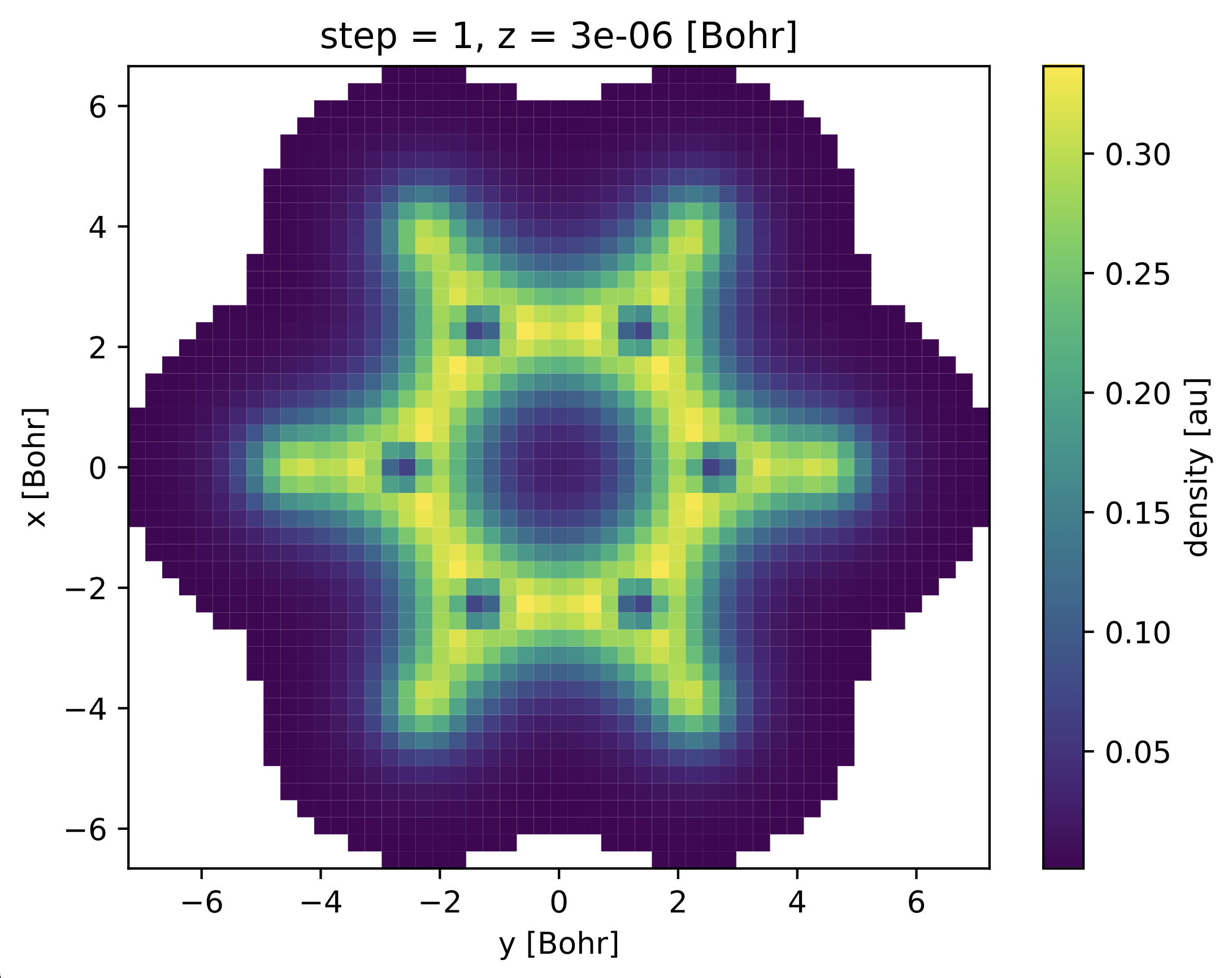
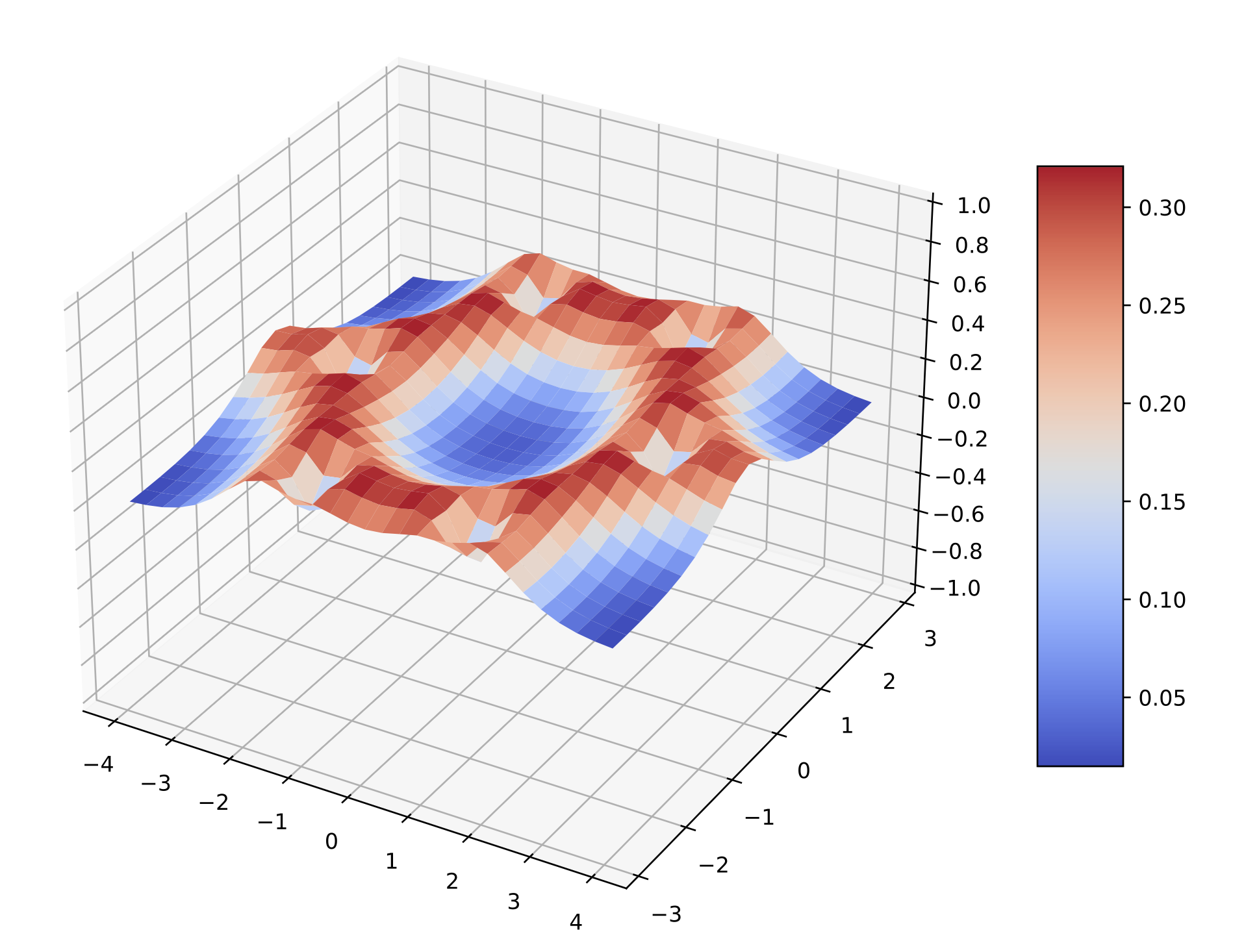
Task: contribute to data analysis framework for 3d and 4d simulation results
Expectations:
programming skills and interest/desire to improve those
Python experience, knowledge of any of the tools listed below is useful
Likely tools you will be using include:
gitPythonpy.test- we like testing our softwareJupyter notebooks
numpy&xarray- dealing with n-dimensional arrays of datascipy&pandas- scientific computing and data science toolsmatplotlib&holoviews- 2d plots for parameter space exploration (interactive holoviews example)PyVista- interactive 3d plots in notebooks
Things you will learn include:
the tools listed above
modern data analysis for science
state of the art research software engineering, including
testing, continuous integration, Gitlab/Github
…
More context: The ab-initio simulation package octopus (https://octopus-code.org/) writes a variety of data files to disk. In this project, you will work on “postopus”: a Python package to make data analysis of these files easier (POSTprocessing of OctoPUS data). The software exists already but needs additional fetaures https://gitlab.com/octopus-code/postopus .
Place of work: Computational Science group at Max Planck Institute for the Structure and Dynamics of Matter on DESY campus
Interested?
Get in touch with Hans Fangohr (hans.fangohr@mpsd.mpg.de) for informal enquiries.
Not quite the right project?
Get in touch with Hans Fangohr (hans.fangohr@mpsd.mpg.de). Perhaps we can find a suitable project together