
Bachelor or Master project: Simulation of defibrillation
Wanted: We are looking for physics/engineering/computer science students with interest in simulation, programming, data analysis & visualisation who want to do their Bachelor or Masters project with us.
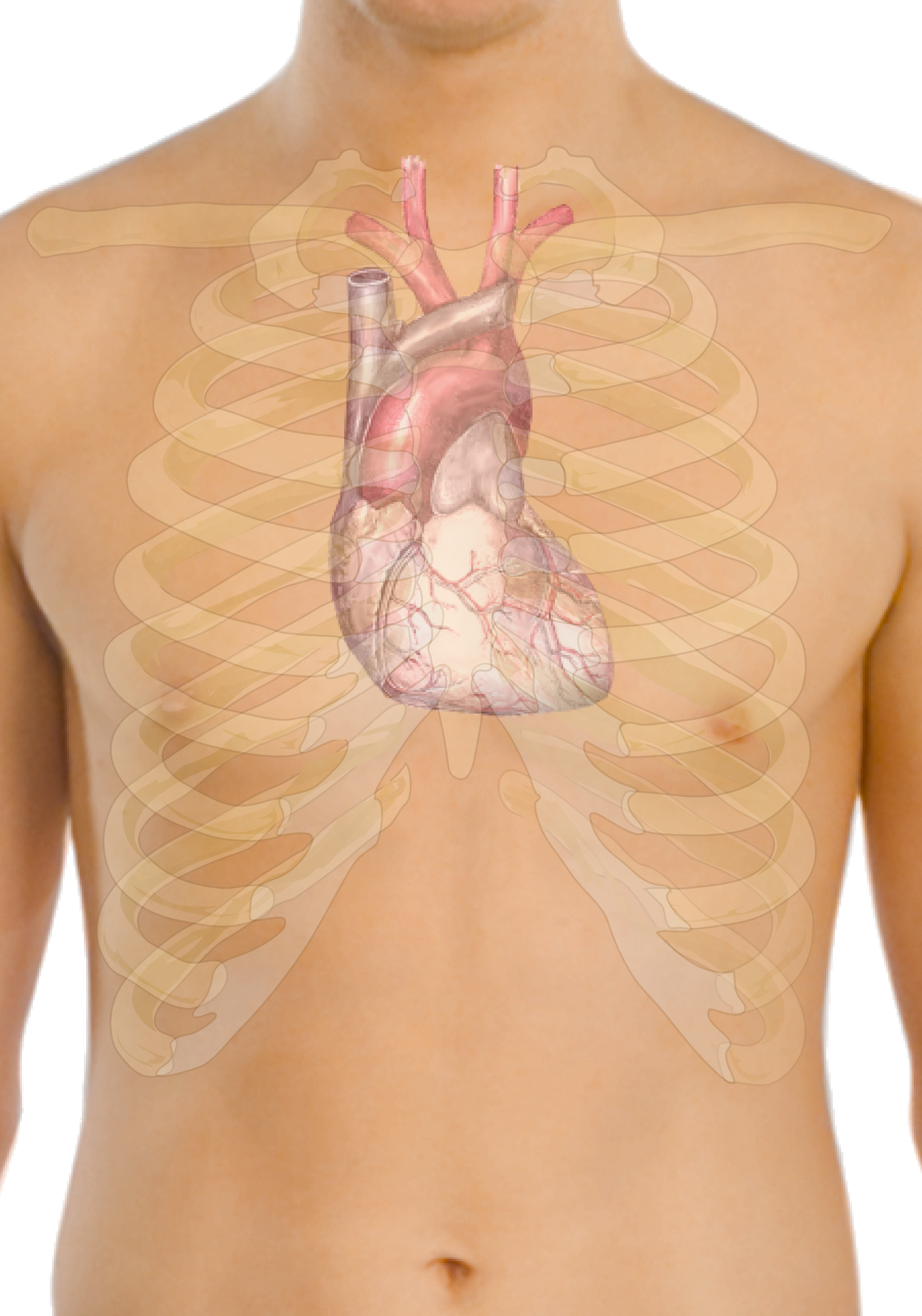
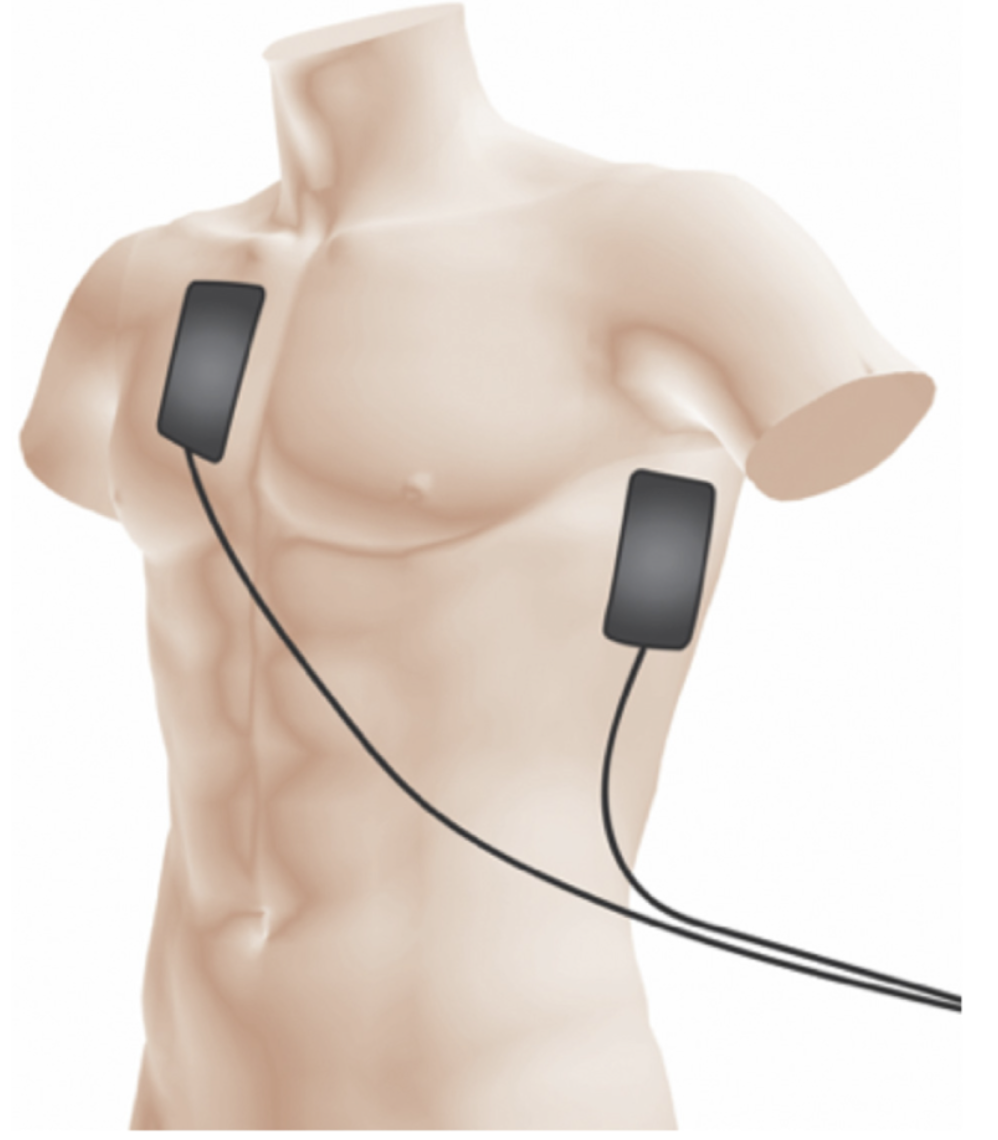
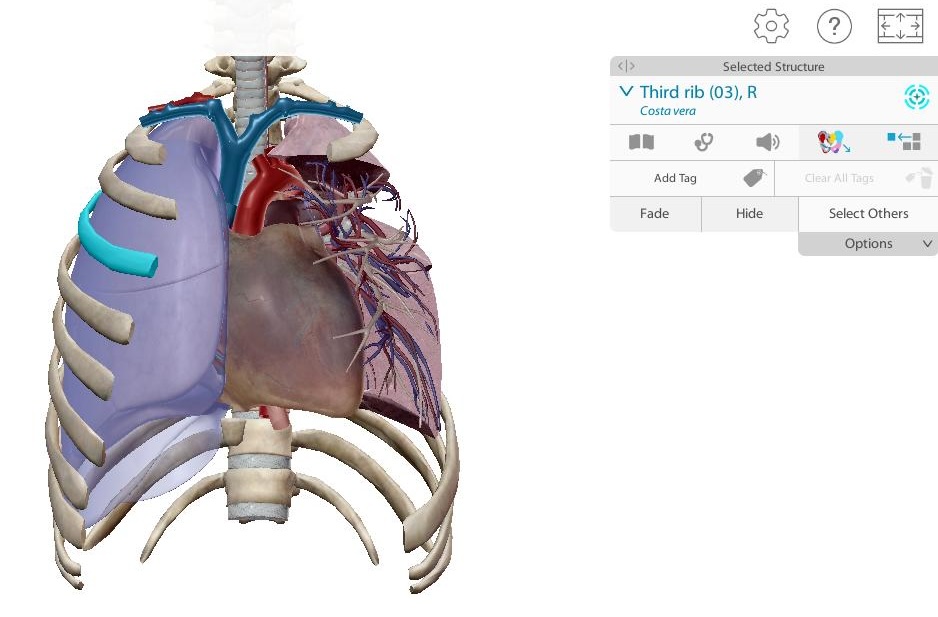
Task: contribute to building a model of the human body, in particular lungs and heart to study electric current pathways. Use the model to simulate defibrillation currents.
Impact: Planned applications include a better understanding of current pathways and intensities in defibrillation following cardiac arrests. Together with medical experts, we aim to improve the success rates of defibrillation following cardiac arrests.
Expectations:
scientific approach to research problems
ability to collaborate with interdisciplinary team (we work with medical experts in this project)
programming skills and interest/desire to improve those
Python experience, knowledge of any of the tools listed below is useful
Things you will learn include:
background knowledge about cardiac arrest and defibrillation
some of the tools listed below
data analysis of 3d fields and visualisation
solving PDEs numerically using finite differences and/or finite elements
use of libraries and tools to simplify the process
Likely tools you might be using include:
git,Python, perhapspy.testJupyter notebooks
numpy&xarray- dealing with n-dimensional arrays of datascipy&pandas- scientific computing and data science toolsmatplotlib- 2d plotsPyVista/paraview- interactive 3d plots in notebooks and standalonefinite element simulation packages, such as
FEniCSorscikit-fem, perhaps Jax or pytorch as GPU-enabled linear algebra backends..domain specific software
More context:
Cardiac arrest is a condition in which the heart suddenly and unexpectedly stops beating. For a fraction of patients, this originates from the heart trying to beat but doing so in an uncorrelated and uncoordinated way - as a result, no blood is being pumped. In this case of ventricular fibrillation, a defibrillation device can re-instantiate the regular heart beat and save the patient’s life.
Place of work: Computational Science group at Max Planck Institute for the Structure and Dynamics of Matter on DESY campus
Interested? Related interests?
Get in touch with Hans Fangohr (hans.fangohr@mpsd.mpg.de) for informal enquiries.
